
Top Waterproofing Products for Long-Lasting Protection
Explore the most reliable waterproofing solutions designed to safeguard your property from moisture and water damage effectively.
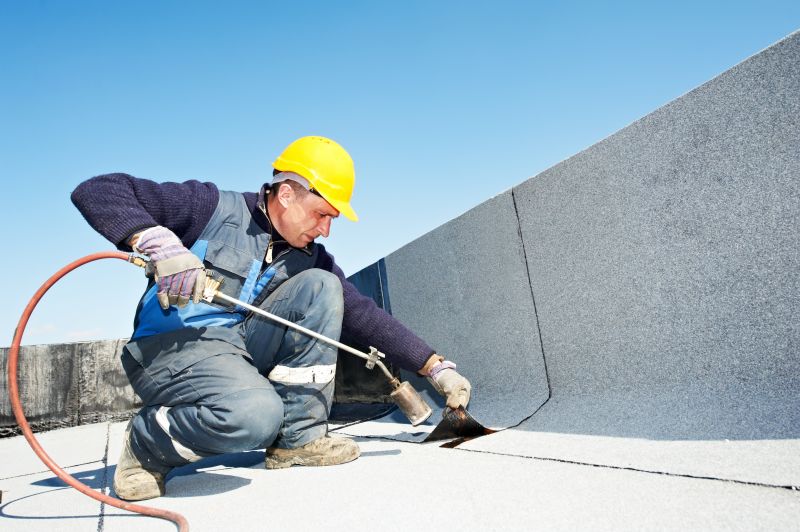 Waterproofing products are essential solutions for protecting structures against moisture intrusion, leaks, and water damage. Whether for residential, commercial, or industrial applications, selecting the right waterproofing materials can extend the lifespan of foundations, roofs, basements, and other critical areas. Proper waterproofing not only safeguards property value but also helps prevent costly repairs caused by water infiltration. The market offers a diverse range of products designed to suit various surfaces, climates, and project requirements.
Top Overall Option
Multi-Purpose Waterproofing Membrane
A versatile waterproofing membrane designed for use on various surfaces including foundations, roofs, and basements. It provides a flexible, durable barrier against water infiltration and is compatible with both interior and exterior applications. Its ease of installation and long-lasting performance make it a popular choice for many projects.
Types of Products For Waterproofings
Liquid Rubber Coatings
Flexible liquid coatings that form seamless waterproof barriers on roofs, decks, and foundations.
Bituminous Membranes
Self-adhesive or torch-applied membranes ideal for roofing and below-grade waterproofing.
Polyurethane Sealants
High-performance sealants used to fill cracks and joints in concrete and masonry surfaces.
Concrete Sealers
Penetrating or surface-applied sealers designed to protect concrete surfaces from water penetration.
Acrylic Waterproof Coatings
Water-based coatings suitable for roofs and walls, offering ease of application and good adhesion.
Cementitious Waterproofing
Pre-mixed cement-based products used mainly for basement walls and tunnels.
Liquid Membranes
Spray or brush-on membranes that create seamless waterproof layers on various surfaces.
Waterproof Paints
Coatings that provide a protective waterproof layer on exterior walls and surfaces.
Sheet Waterproofing Membranes
Pre-fabricated sheets used in foundation and roofing applications for reliable waterproofing.
Hydrophobic Dams and Barriers
Physical barriers designed to divert or contain water flow and prevent seepage.
Sealant Tapes
Flexible tapes used to seal joints, cracks, and seams against water intrusion.
Epoxy Injection Systems
Injection products used to seal cracks and reinforce structural integrity.
Spray-On Waterproofing
Quick-application waterproofing solutions suitable for large surface areas.
Polymer Modified Bitumen
Enhanced bitumen products offering increased flexibility and waterproofing durability.
Flexible Waterproofing Sheets
Thin, pliable sheets used in roofing and foundation waterproofing for easy installation.
Waterproofing Additives
Additives mixed into concrete or mortar to improve water resistance.
Popular Choices
Widely used for their seamless, flexible waterproof layers on various surfaces.
Commonly chosen for roofing and basement waterproofing due to their durability.
Popular for sealing cracks and joints in concrete structures.
Favored for protecting concrete surfaces from water penetration and staining.
Often selected for their ease of application and weather resistance.
Preferred for underground and below-grade applications.
Chosen for exterior walls to prevent water infiltration.
Valued for their reliability in foundation waterproofing projects.
Popular for large surface areas requiring quick and uniform coverage.
Effective physical barriers used in various waterproofing scenarios.
Useful for quick repairs and sealing joints against water leaks.
Commonly used for crack repair and structural reinforcement.
In Port Huron, MI, where seasonal variations often bring moisture challenges, choosing effective waterproofing solutions is particularly important. From concrete sealers and membrane systems to liquid coatings and waterproof paints, there are options tailored for different needs. Understanding the differences between these products—including their application methods, durability, and compatibility—is key to making informed decisions.
When considering waterproofing options, factors such as surface type, exposure conditions, and longevity expectations should be evaluated. Some products are better suited for interior use, such as basement walls, while others are designed for exterior applications like roofing or foundation walls. Proper surface preparation and application techniques also influence the effectiveness of waterproofing products, making it essential to follow manufacturer instructions carefully.
Investing in quality waterproofing materials can contribute significantly to the integrity of a structure over time. Regular maintenance and reapplication may be necessary to ensure continued protection, especially in regions with harsh weather conditions. Consulting with local experts or suppliers can provide additional insights tailored to the specific needs of properties in Port Huron, MI, ensuring that the selected products deliver reliable performance.
Key Buying Considerations
- Identify the specific area or surface that requires waterproofing to select the appropriate product type.
- Consider the exposure conditions, such as standing water, humidity, or temperature fluctuations, that the product must withstand.
- Evaluate the compatibility of the waterproofing material with the existing surface or structure.
- Determine whether the application will be interior, exterior, or both, to choose suitable products accordingly.
- Assess the ease of application and whether professional installation is recommended or required.
- Check the durability and expected lifespan of the product to ensure long-term protection.
- Review the drying or curing time to plan project timelines effectively.
- Consider the flexibility of the product, especially for surfaces subject to movement or expansion.
- Examine the product’s resistance to UV rays, chemicals, and weathering if exposed outdoors.
- Verify the product’s compatibility with other building materials being used in the project.
- Look into maintenance requirements and reapplication intervals for ongoing protection.
- Ensure the product is suitable for the specific thickness and coverage needed for your project.
- Research local building codes or regulations that may influence product selection.
- Evaluate the environmental conditions of Port Huron, MI, to select products suited for seasonal moisture and temperature changes.
- Consult with local suppliers or waterproofing specialists for tailored recommendations.